Comment intégrer des mesures de contingence dans la planification du transport transfrontalier Canada–États-Unis

Pour les expéditeurs qui déplacent des marchandises entre le Canada et les États-Unis, la résilience dépend moins du fait d’obtenir le plus bas tarif que de choisir un partenaire de transport qui a l’envergure, la portée et la flexibilité nécessaires pour garder le fret en mouvement quand il y a des perturbations.

Cette distinction est importante, parce que la planification du transport transfrontalier ne se limite pas à déplacer des marchandises d’un point A à un point B. Elle implique des processus douaniers, plusieurs intervenants, des dépendances de délais et un ensemble de considérations beaucoup plus large que pour bien des expéditions domestiques. Quand un élément de ce système change, l’impact peut dépasser largement un seul chargement.

C’est pourquoi la contingence ne devrait pas être gérée de façon réactive. Elle doit être intégrée à la stratégie de transport dès le départ.
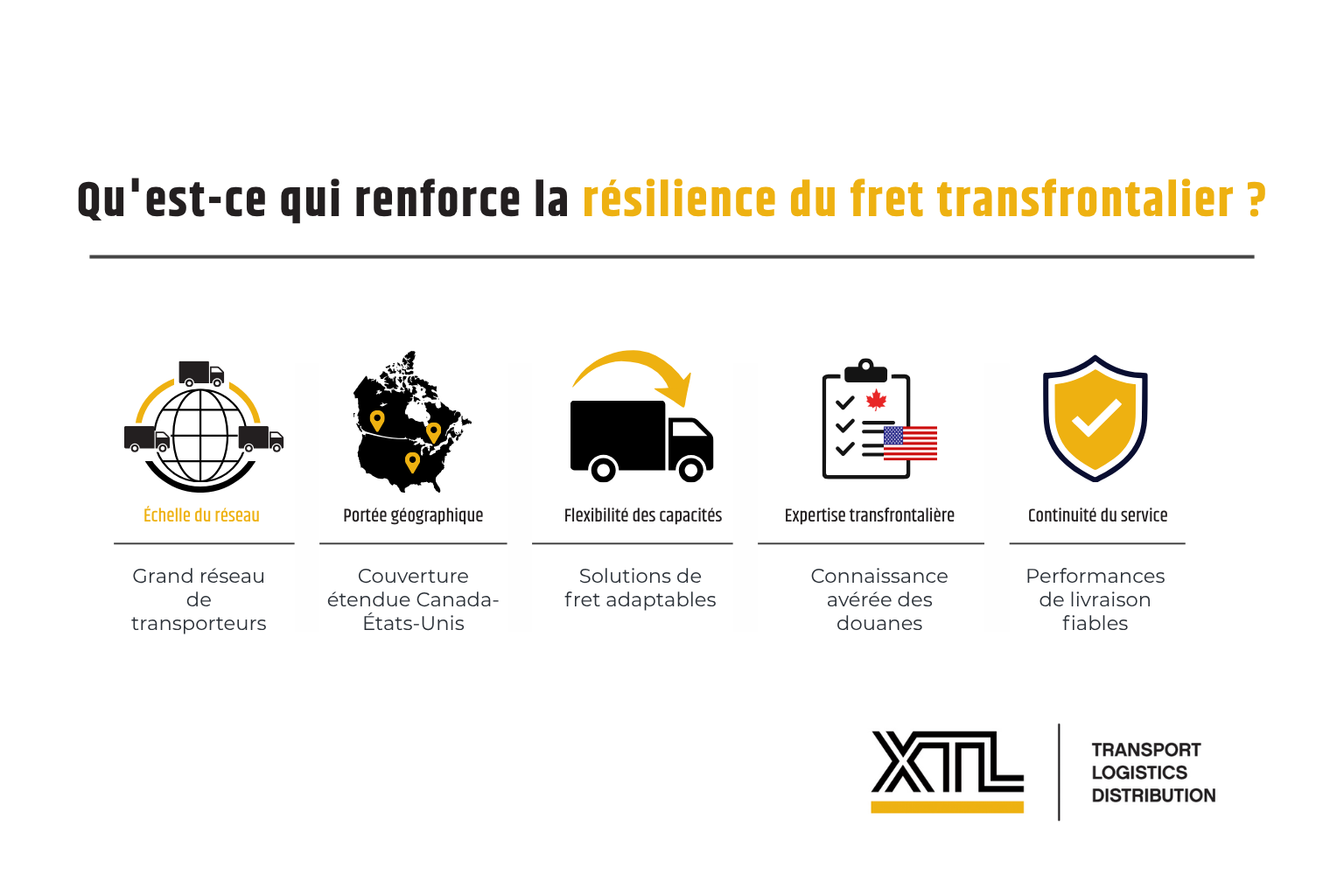
La contingence est une capacité stratégique

Dans le transport transfrontalier Canada–États-Unis, la planification de contingence est souvent mal comprise et réduite à l’idée d’avoir un transporteur de secours ou un itinéraire alternatif en cas de problème. Même si ces tactiques peuvent aider, elles ne représentent qu’une partie de l’équation.

Une approche plus solide consiste à voir la contingence comme une capacité structurelle intégrée au programme de transport lui-même. Concrètement, ça veut dire bâtir des plans de transport capables d’absorber les perturbations sans obliger l’expéditeur à tout recommencer chaque fois que les conditions changent.

Pour les leaders des opérations et les décideurs en chaîne d’approvisionnement, il s’agit moins de se préparer à des événements improbables que de créer un modèle qui demeure stable sous la pression normale des affaires. Les retards, les variations de capacité, les ralentissements à la frontière, les événements météo, les contraintes d’installations et les changements dans les exigences des clients ne sont pas des exceptions rares. Ils font partie de la réalité opérationnelle du transport transfrontalier.

La vraie question est donc la suivante : est-ce que votre réseau de transport est conçu pour s’adapter ?

Le risque de se concentrer trop étroitement sur le coût

La rigueur des coûts est importante. Tous les expéditeurs doivent gérer attentivement leurs dépenses de transport. Toutefois, la planification du transport transfrontalier devient vulnérable lorsque la stratégie est guidée principalement par la minimisation des tarifs, corridor par corridor.

Un tarif plus bas pour un mouvement précis peut sembler attrayant sur le coup, mais des décisions de transport prises en silo peuvent affaiblir la résilience du modèle global. Un partenaire choisi surtout pour un avantage de coût limité peut ne pas avoir la couverture de service, la profondeur de réseau ou la flexibilité opérationnelle nécessaires lorsque les conditions changent.

Dans ces moments-là, le vrai coût du transport dépasse largement le tarif lui-même. Il peut avoir un impact sur les engagements envers les clients, le flux d’inventaire, la continuité de la production, la charge de travail interne et la confiance globale dans la chaîne d’approvisionnement.

C’est pour cette raison que les expéditeurs plus matures évaluent de plus en plus leurs partenaires de transport non seulement selon le coût d’exécution, mais aussi selon leur capacité à protéger la continuité et à mettre à profit leur capacité et la force de leur réseau lorsque des situations imprévues surviennent.

Pourquoi l’envergure du réseau compte en transport transfrontalier

Le transport transfrontalier ne récompense pas la fragilité. Il récompense la flexibilité.

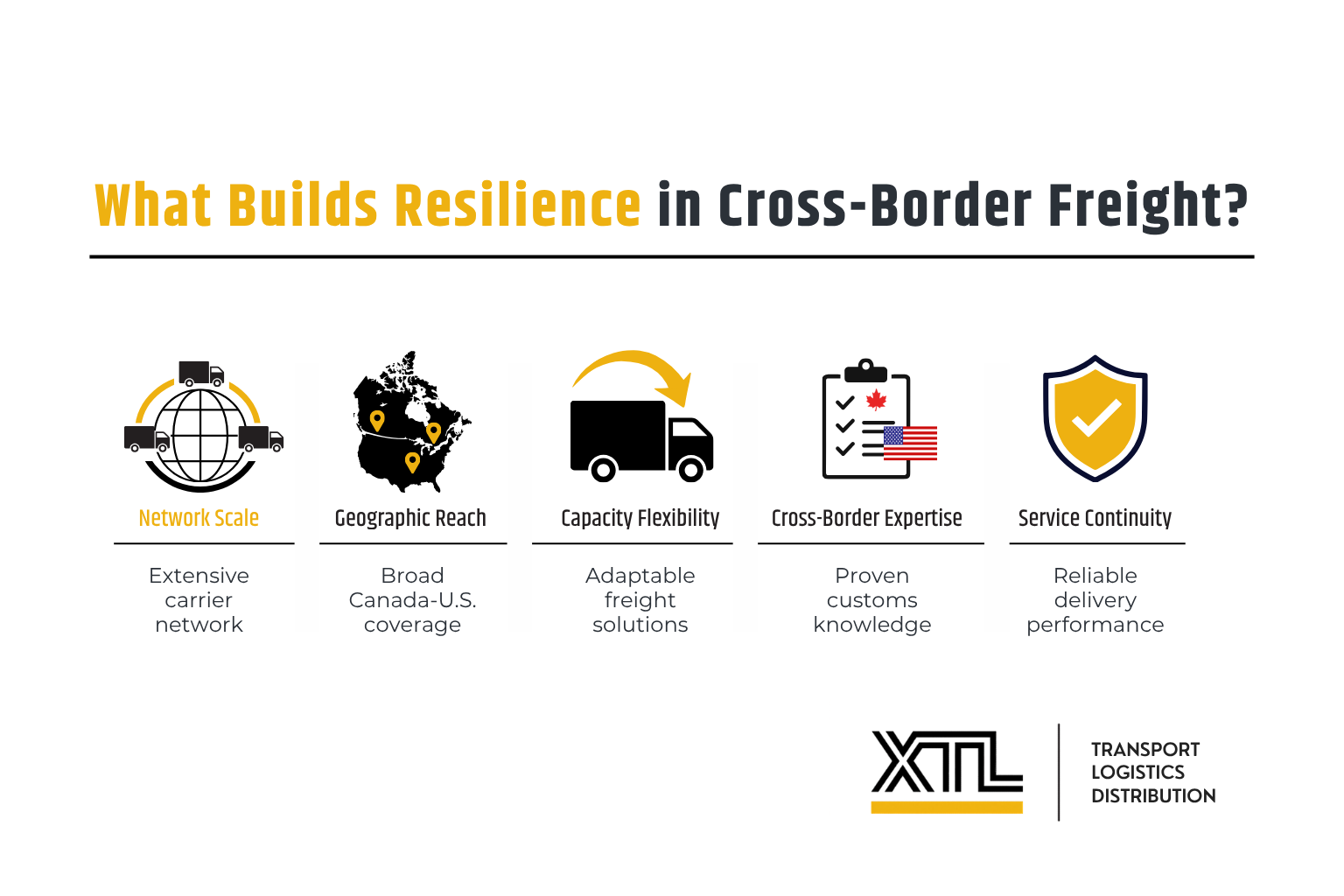
Cette flexibilité est plus facile à atteindre lorsque le partenaire de transport possède l’envergure et la portée géographique nécessaires pour soutenir des conditions changeantes à l’échelle d’un réseau plus vaste. Un grand partenaire national est souvent mieux positionné pour réagir quand un corridor se resserre, qu’un horaire change, qu’une destination est modifiée ou qu’une expédition exige une solution différente de celle prévue au départ.

C’est là que l’étendue du réseau devient un véritable avantage stratégique. La capacité est importante, mais à elle seule, elle ne suffit pas. Ce qui compte, c’est la capacité de s’appuyer sur une empreinte de services plus large, des relations avec un plus grand nombre de transporteurs, une meilleure couverture régionale et une expérience opérationnelle solide dans les flux transfrontaliers Canada–États-Unis.

Pour les expéditeurs, ça signifie que la contingence ne se limite pas à ce qui est écrit dans un plan. Elle existe dans la capacité réelle du partenaire de transport à reconfigurer un mouvement tout en protégeant le niveau de service.

La résilience protège plus que le temps de transit

Quand les professionnels du transport parlent de contingence, la discussion commence souvent par les retards. En réalité, la valeur de la planification de contingence est beaucoup plus large.

Une stratégie de transport transfrontalier résiliente aide à protéger le service à la clientèle, à stabiliser les mouvements d’inventaire, à soutenir les horaires de production et à réduire le mode « gestion de crise » constant qui peut accaparer les équipes d’opérations. Elle améliore aussi la communication et la prise de décision quand l’imprévu survient, parce que le modèle de transport sous-jacent est déjà conçu pour s’adapter.

Pour les équipes de direction, ça a une valeur d’affaires directe. La fiabilité renforce la crédibilité. La stabilité soutient la croissance. Une stratégie de transport capable de résister aux perturbations donne à l’entreprise plus de confiance dans les engagements qu’elle prend envers ses clients, ses fournisseurs et ses parties prenantes internes.

Ce que les expéditeurs devraient rechercher chez un partenaire de transport

Si la contingence est une capacité structurelle, elle devrait influencer la façon dont les partenaires de transport sont évalués.

Les expéditeurs devraient regarder au-delà du prix et se poser des questions stratégiques plus larges. Ce partenaire a-t-il l’envergure nécessaire pour soutenir notre fret quand les conditions changent ? A-t-il une portée significative dans les corridors et les marchés dont nous dépendons ? Peut-il offrir de la flexibilité sans nous forcer à refaire constamment notre planification ? Comprend-il les réalités du transport Canada–États-Unis à l’échelle d’un réseau, et non seulement au niveau transactionnel ?

Le bon partenaire ne se contente pas de déplacer le fret efficacement dans des conditions idéales. Le bon partenaire aide à créer de la continuité lorsque les conditions sont loin d’être idéales.

Pourquoi c’est encore plus important en transport Canada–États-Unis

Le fret qui circule entre le Canada et les États-Unis se situe à l’intersection de l’exécution opérationnelle et de la complexité transfrontalière. Ça ne le rend pas ingérable, mais ça signifie que la résilience doit être conçue dès le départ, et non ajoutée après coup.

Pour bien des expéditeurs, la forme la plus efficace de contingence n’est pas un document qui prend la poussière sur une tablette. C’est une stratégie de transport bâtie autour d’un partenaire qui possède l’envergure nationale, la couverture de services et la flexibilité de réseau nécessaires pour résoudre les problèmes sans perturber le flux global du fret.

C’est là où XTL apporte une valeur concrète. Grâce à l’étendue de son réseau et à sa portée opérationnelle pour soutenir le fret partout au Canada et les expéditions transfrontalières vers les États-Unis, XTL aide les expéditeurs à bâtir des plans de transport transfrontalier conçus non seulement pour l’efficacité, mais aussi pour la continuité.

En conclusion

En transport transfrontalier, la perturbation n’est pas la seule variable qui compte. La capacité de réagir sans perdre d’élan est tout aussi essentielle.

Pour les expéditeurs, les gestionnaires d’opérations et les leaders de la chaîne d’approvisionnement, la planification de contingence devrait être perçue comme une composante intégrée du modèle de transport. L’objectif n’est pas seulement de se préparer aux problèmes. L’objectif est de bâtir une stratégie de transport qui demeure fiable lorsque l’environnement change.

C’est ça, la résilience en transport Canada–États-Unis. Ce n’est pas improvisé. C’est conçu.
How to Build Contingency Into Canada–U.S. Cross-Border Freight Planning

For shippers moving freight between Canada and the U.S., resilience depends less on finding the lowest rate and more on choosing a transportation partner with the scale, reach, and flexibility to keep freight moving when disruptions occur.

That distinction matters because cross-border freight planning is not just a matter of moving goods from origin to destination. It involves border processes, multiple stakeholders, timing dependencies, and a broader range of considerations than many domestic shipments. When one part of that system changes, the impact can extend well beyond a single load.

That is why contingency should not be treated reactively. It should be built into the transportation strategy from the start.

Contingency Is a Strategic Capability

In Canada–U.S. transborder freight, contingency planning is often misunderstood as having a backup carrier or an alternate route available in case something goes wrong. While those tactics can help, they are only part of the picture.

A stronger approach is to view contingency as a structural capability within the freight program itself. In practical terms, that means building transportation plans that can absorb disruption without forcing the shipper to start over every time conditions change.

For operations leaders and supply chain decision-makers, this is less about preparing for unlikely events and more about creating a model that remains stable under normal business pressure. Delays, capacity shifts, border slowdowns, weather events, facility constraints, and changes in customer requirements are not unusual exceptions. They are part of the operating reality of cross-border shipping.

The real question is whether your freight network is designed to adapt.

The Risk of Focusing Too Narrowly on Cost

Cost discipline matters. Every shipper is expected to manage transportation spend carefully. However, cross-border freight planning can become vulnerable when the strategy is driven primarily by lane-by-lane rate minimization.

A lower quoted rate on an individual move may look attractive in the moment, but freight decisions made in isolation can weaken the resilience of the overall transportation model. A partner chosen primarily for a narrow cost advantage may not have the service coverage, network depth, or operational flexibility required when conditions change.

In those moments, the true cost of freight becomes much broader than the rate itself. It can affect customer commitments, inventory flow, production continuity, internal workload, and overall confidence in the supply chain.

This is why mature shippers increasingly evaluate transportation partners not only by the cost of execution, but by their ability to protect continuity and to bring their capacity and network strength to bear when unexpected situations arise.

Why Network Scale Matters in Cross-Border Freight

Cross-border freight does not reward fragility. It rewards flexibility.

That flexibility is easier to achieve when a transportation partner has the scale and geographic reach to support changing conditions across a broader network. A large national partner is often better positioned to respond when a lane tightens, a schedule shifts, a destination changes, or a shipment requires a different solution than originally planned.

This is where network breadth becomes a real strategic advantage. Capacity is important, but capacity alone is not enough. What matters is the ability to draw on a wider service footprint, broader carrier relationships, stronger regional coverage, and operational experience across Canada–U.S. transborder freight flows.

For shippers, that means contingency is not limited to what is written in a plan. It exists in the real-world ability of the transportation partner to reconfigure the move while protecting service.

Resilience Protects More Than Transit Time

When freight professionals talk about contingency, the conversation often starts with delays. In reality, the value of contingency planning is much broader.

A resilient cross-border freight strategy helps protect customer service, stabilize inventory movement, support production schedules, and reduce the constant firefighting that can consume operations teams. It also strengthens communication and decision-making when the unexpected happens, because the underlying transportation model is already built to adapt.

For leadership teams, this has direct business value. Reliability supports credibility. Stability supports growth. A freight strategy that can withstand disruption gives the business more confidence in the commitments it makes to customers, suppliers, and internal stakeholders.

What Shippers Should Look for in a Transportation Partner

If contingency is a structural capability, then it should influence how transportation partners are evaluated.

Shippers should look beyond price alone and ask broader strategic questions. Does this partner have the scale to support our freight as conditions change? Do they have meaningful reach across the lanes and markets we depend on? Can they offer flexibility without forcing us into constant replanning? Do they understand the realities of Canada–U.S. shipping at a network level rather than just at the transaction level?

The right partner does more than move freight efficiently under ideal conditions. The right partner helps create continuity when conditions are less than ideal.

Why This Matters More in Canada–U.S. Shipping

Freight moving between Canada and the U.S. sits at the intersection of operational execution and cross-border complexity. That does not make it unmanageable, but it does mean resilience has to be designed in, not added later.

For many shippers, the most effective form of contingency is not a document sitting on a shelf. It is a transportation strategy built around a partner with the national scale, service geography, and network flexibility to solve problems without disrupting the broader flow of freight.

That is where XTL brings meaningful value. With the breadth of its network and the operational reach to support freight across Canada and transborder shipments into the U.S., XTL helps shippers build cross-border transportation plans that are designed not only for efficiency, but for continuity.

Final Thoughts

In cross-border freight, disruption is not the only variable that matters. The ability to respond without losing momentum matters just as much.

For shippers, operations managers, and supply chain leaders, contingency planning should be viewed as part of the transportation model itself. The goal is not simply to prepare for problems. The goal is to build a freight strategy that remains dependable when the environment changes.

That is what resilience looks like in Canada–U.S. shipping. It is not improvised. It is designed.


Winter Logistics: Navigating the Challenges of Temperature-Controlled Transport

As winter approaches, the need for reliable logistics solutions becomes critical for businesses handling temperature-sensitive goods. Fluctuating weather patterns, increasingly harsh winters due to climate change, and rising demand for high-quality heated transport services require shippers to be more vigilant than ever. Whether you’re transporting pharmaceuticals, fresh produce, or other perishable items, ensuring product integrity hinges on choosing the right partner and understanding the nuances of temperature-controlled logistics.

Why Temperature-Controlled Transport Is Crucial

Over the past decade, the demand for temperature-controlled logistics has skyrocketed. This trend is driven by the rise in consumer demand for fresh food, the globalization of pharmaceutical supply chains, and the growing importance of precision in cold chain management.

Winter intensifies the challenges, especially in regions like Canada and the northern U.S., where temperatures can plummet dramatically. The stakes are high: any deviation from the required temperature range can lead to spoilage, financial losses, and even regulatory repercussions for businesses.

The Impact of Climate Change on Winter Logistics

Climate change has reshaped the logistics landscape, with winters becoming more unpredictable and extreme. Canada, for instance, has seen a rise in average winter temperatures by over 3°C since 1950. This warming trend paradoxically results in more intense snowfall and ice storms, increasing the likelihood of transportation delays and risks to temperature-sensitive goods.

For shippers, these conditions amplify the need for advanced solutions that can maintain product integrity despite external disruptions.

Know the Difference: Temperature-Controlled vs. Protect from Freeze

A key consideration for businesses is understanding the distinction between temperature-controlled transport and protect from freeze services. While both aim to shield goods from adverse conditions, they differ in scope and capabilities.

Protect from Freeze

  • Definition: This service prevents products from freezing during transit, ensuring temperatures remain above the freezing point.
  • Methodology: Approaches vary and may include:
    • Transit Timing: Scheduling shipments to minimize exposure to freezing conditions.
    • Insulation: Using materials to reduce heat loss.
    • Portable Heaters: Employing diesel-fired heaters to add warmth without precise temperature control.
    • Heated Warehousing: Storing goods in heated facilities between transit legs.
  • Limitations: These methods don’t guarantee a specific temperature and may not suffice for products requiring strict thermal conditions.

Temperature-Controlled Transport

  • Definition: This service maintains products within a specified temperature range throughout transit, regardless of external conditions.
  • Methodology: Utilizes advanced equipment such as:
    • Refrigerated Trailers: Equipped with precise heating and cooling systems.
    • Real-Time Monitoring: Continuous tracking of internal temperatures.
    • Insulation: High-quality materials to minimize temperature fluctuations.
  • Advantages: Ensures consistent temperatures, making it ideal for sensitive goods like pharmaceuticals and certain chemicals.

Key Differences

  • Precision: Temperature-controlled transport offers exact temperature maintenance, whereas protect from freeze aims only to prevent freezing without precise control.
  • Reliability: Temperature-controlled services provide consistent conditions, while protect from freeze methods can be less dependable, especially in extreme cold.
  • Applicability: Products with strict temperature requirements necessitate temperature-controlled transport, whereas less sensitive items might suffice with protect from freeze services.

Choosing the right solution depends on the nature of your cargo. For high-stakes shipments, temperature-controlled transport offers peace of mind and ensures compliance with regulatory standards.

XTL: A Leader in Temperature-Controlled Transport

XTL is a trusted name in temperature-controlled logistics, offering tailored solutions to meet the diverse needs of shippers:

  1. State-of-the-Art Equipment:
    XTL’s fleet is equipped with advanced technology to ensure precise temperature control. Features include real-time monitoring, diagnostics, and live updates to ensure every shipment is protected throughout its journey.
  2. Comprehensive Services:
    XTL offers truckload, and dedicated transportation options across Canada and the U.S., catering to a wide range of shipping requirements.
  3. Proactive Monitoring:
    With live diagnostics and alerts, XTL can quickly identify and address potential issues, ensuring products remain safe regardless of external disruptions.
  4. Regulatory Compliance:
    From hazardous materials to pharmaceutical products, XTL adheres to stringent quality control standards, making them the preferred partner for sensitive shipments.

How Shippers Can Prepare for Winter

To ensure successful shipments during the harsh winter months, shippers should adopt the following best practices:

  • Monitor Weather Conditions: Stay updated on forecasts and plan shipments around potential disruptions.
  • Collaborate with Carriers: Work closely with transportation providers like XTL to develop contingency plans.
  • Optimize Packaging: Use insulated packaging to provide an additional layer of protection.
  • Schedule Strategically: Avoid peak times and plan for extra lead time in case of delays.
  • Leverage Technology: Use tracking systems to maintain visibility over shipments and ensure compliance with temperature requirements.

Staying Ahead in a Challenging Climate

The logistics industry is evolving, with heightened demands and harsher winters reshaping how goods are transported. Understanding the complexities of temperature-controlled transport and partnering with industry leaders like XTL, businesses can safeguard their products and maintain customer trust.

Winter may bring challenges, but with the right strategies and partners, your supply chain can remain resilient and reliable. When it comes to temperature-sensitive goods, don’t settle for anything less than the precision and reliability of true temperature-controlled transport. Let XTL be your partner in navigating the complexities of winter logistics.

Integrated Supply Chain Solutions: How the XTL Group Elevates Food and Beverage Logistics

In the fast-paced world of food and beverage logistics, efficiency, reliability, and safety are non-negotiable. At the XTL Group, which encompasses our Transport, Logistics and Distribution divisions, as well as CBT Inc and Savoie Express Inc—we form a powerhouse alliance that delivers comprehensive solutions for food shippers. Together, we offer custom end-to-end supply chain services, seamlessly blending our strengths to meet the industry’s diverse needs.

A Legacy of Excellence

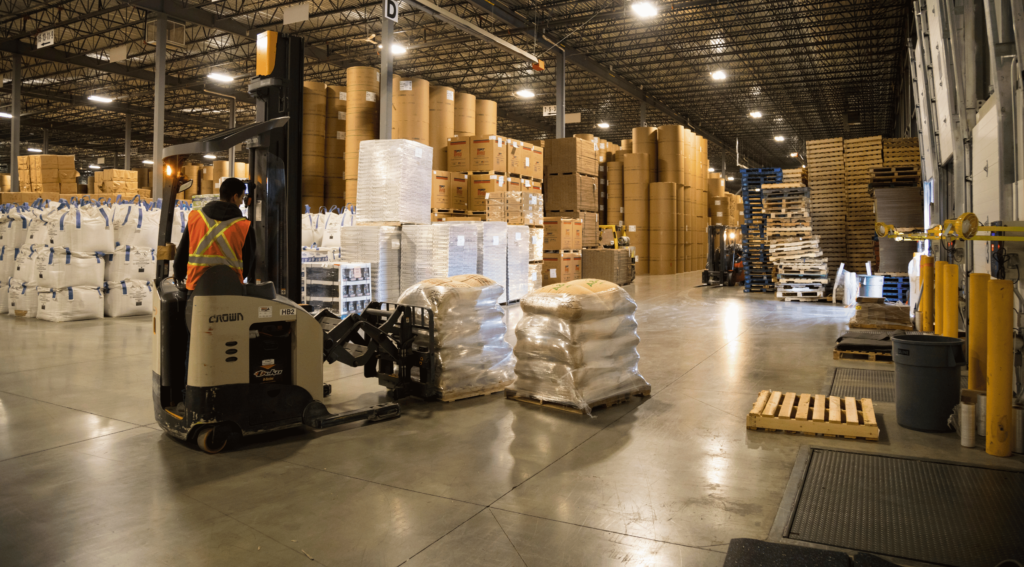
Founded in 1985, XTL has been a trailblazer in crafting custom supply chain solutions. Boasting over 450 trucks, 1250 trailers, and 2.5 million square feet of warehouse space, our capabilities are expansive. Our services span dry and temperature-controlled over-the-road and intermodal transportation, logistics, and ambient warehousing. With state-of-the-art equipment and deep-rooted experience, we ensure smooth supply chain operations, maintaining the quality of fresh, frozen, and dry food products. 

CBT Inc has been a significant logistics provider for the food service giants as well as the top poultry and egg producers in southeastern U.S. since 1989. Operating out of Oakwood, GA, CBT complements the XTL offering by prioritizing exceptional customer service to the domestic U.S. market. CBT’s experience comes from years of familiarizing themselves with the various industry shipping and receiving requirements, time-sensitive shelf dates, weight limitations, and proper handling techniques. Their extensive carrier network ensures reliable capacity and on-time deliveries, establishing them as a trusted partner for food shippers.

Since 1964, Savoie Express has been committed to delivering excellence with every mile. With a fleet of over 40 trucks out of Manseau, QC, Savoie Express provides top-tier service that compliments XTL service regions while also extending the XTL reach further into eastern Canada. Becoming a part of the XTL Group fueled significant growth, doubling their fleet and enhancing service capabilities. Specializing in hauling perishable products across North America, Savoie Express’s dedication to partnership through service has been a cornerstone of their long-term success.

Solving Industry Challenges

At XTL, solving business problems for food shippers begins with understanding root issues and collaborating with all parties involved. We blend expertise, state-of-the-art equipment, and clear communication channels to quickly resolve problems. Our established network provides consistent capacity, crucial for maintaining the quality and timely delivery of food products.

CBT’s focus on building strong relationships and leveraging technology, ensures reliable capacity and on-time deliveries. CBT’s proactive approach to staying updated with industry trends and technology paired with extensive experience, has enabled them to stay competitive and agile while also bringing stability to fluctuating market conditions. This level of support has been instrumental in their customers’ success within their transportation departments.

Savoie Express remains steadfast in its growth objectives since becoming a part of the XTL Group. Doubling their fleet and recruiting dedicated drivers has enabled them to meet customer demands effectively, ensuring reliable service. Their unwavering commitment to never letting a customer down is vital in the perishable goods sector. Savoie Express always has a contingency plan to offer solutions for unexpected challenges ensuring deliveries are completed on time, every time.

Recent Achievements and Success Stories

In the past year, XTL has achieved AIB International accreditation in four of our nine distribution centers, with plans to expand this accreditation further. This milestone reflects our commitment to maintaining the highest standards of food safety and good manufacturing practices. By investing in new infrastructure and securing necessary accreditations, we provide our partners with room to grow, offering stable and long-term solutions.

CBT has made significant strides by joining the TIA Fraud Task Force to combat industry fraud and enhancing the carrier vetting process. These continuous efforts to create a positive work environment based on trust and respect have contributed to CBT’s growth and success.

Savoie Express’s proud legacy since 1964, combined with their recent growth, showcases their commitment to excellence. Their long-standing relationships and dedicated service have been crucial to their success. A prime example of their impact is their ability to adapt and maintain high service standards amidst industry challenges, solidifying their reputation as a dependable partner in the logistics of perishable goods.



Conclusion

The synergy between XTL, CBT, and Savoie Express exemplifies the power of collaboration in the logistics industry. By combining our unique strengths and an unwavering commitment to excellence, we provide comprehensive and reliable solutions for food and beverage shippers. This integrated approach ensures that supply chains remain efficient, safe, and adaptable, meeting the ever-changing demands of the industry.

Best Practices for Transporting Food Products Safely

Transporting food products safely is essential to ensure they remain fresh and free from contamination. Here are some best practices to follow:

1. Sanitation and Cleanliness

Maintaining cleanliness in transport vehicles is paramount. This includes regular cleaning and sanitization of trailer interiors to prevent contamination. Ensure that the materials used in the trailer are easy to clean and free from damage.

XTL Transport’s trailers are lined with materials compatible with the transportation of both raw and processed products allowing for ease of cleaning and sanitation. Under XTL’s stringent Trailer Sanitation Policy, trailer interiors are thoroughly cleaned and sanitized during regular maintenance and inspected for any damage to trailer linings or door seals. All defects are repaired before the trailer is returned to service. On the road cold water washouts are utilized for dry material on the walls or floors that cannot be swept away and hot water washouts with soap are utilized when there is blood or meat residue present, or the trailer has a noticeable or objectionable odor.

2. Temperature Control

Proper temperature control in transport is critical for food safety. Utilize advanced technology for real-time monitoring and adjustment of temperatures in refrigerated units. Ensure the vehicles can maintain a wide range of temperatures to accommodate different types of food products.

XTL Transport uses Orbcomm 2-way communication technology which allows for live temperature checks and remote temperature adjustments. XTL Trailers have a temperature range of (–20)’F-95’F.

3. Regulatory Compliance

It is important to understand the regulations in all operating jurisdictions and the regulations for the different types of products being transported. For example, a shipment of fresh meat may be subject to mandatory inspections, particularly when crossing borders, whereas dry, packaged products may not. Inspections require proper planning to prevent hour-of-service issues with time-sensitive shipments.

As a cross-border carry operating in both Canada and the U.S., XTL adheres to the regulations set out by the Canadian Food Inspection Agency (CFIA), the Food and Drug Administration (FDA)’s Food Safety Modernization Act (FSMA) and follows strict guidelines to ensure the safe transit of food products.

4. Proper Loading and Sealing

food grade transport seal

Ensure that all loads are properly sealed to prevent contamination during transit. Proper loading techniques should also be followed to maintain the integrity of the food products.

XTL Transport requires all loads to be sealed. If the shipper does not provide one, the driver uses a seal of their own as part of their due diligence.


5. Emergency Preparedness

Have a plan in place for handling emergencies during transit. This includes having a logistics team ready to address any issues with the transportation unit, such as temperature fluctuations, and securing backup solutions if necessary.

XTL’s operations team can promptly address any issues with the transportation unit, such as temperature fluctuations, and secure backup solutions if necessary. XTL’s reefer technology, Orbcomm sends notifications during temperature fluctuations or variances allowing immediate action to be taken, including transloading the shipment when necessary to protect the integrity of the load.

6. Staff Training

Ensure that all staff involved in the transportation process are trained in food safety regulations and best practices. This includes regular training sessions and assessments to keep staff updated on the latest guidelines and technologies.

XTL Transport’s staff undergo training on the FDA’s Sanitary Transportation Rules, including a comprehensive training video and online test. In addition, XTL Distribution staff undergo training in Good Manufacturing Practices and Food Safety to maintain HACCP Certification and AIB International Accreditation across all XTL distribution centers.

7. Regular Inspections

Conduct regular inspections of trailers and equipment to ensure they are in good working condition.

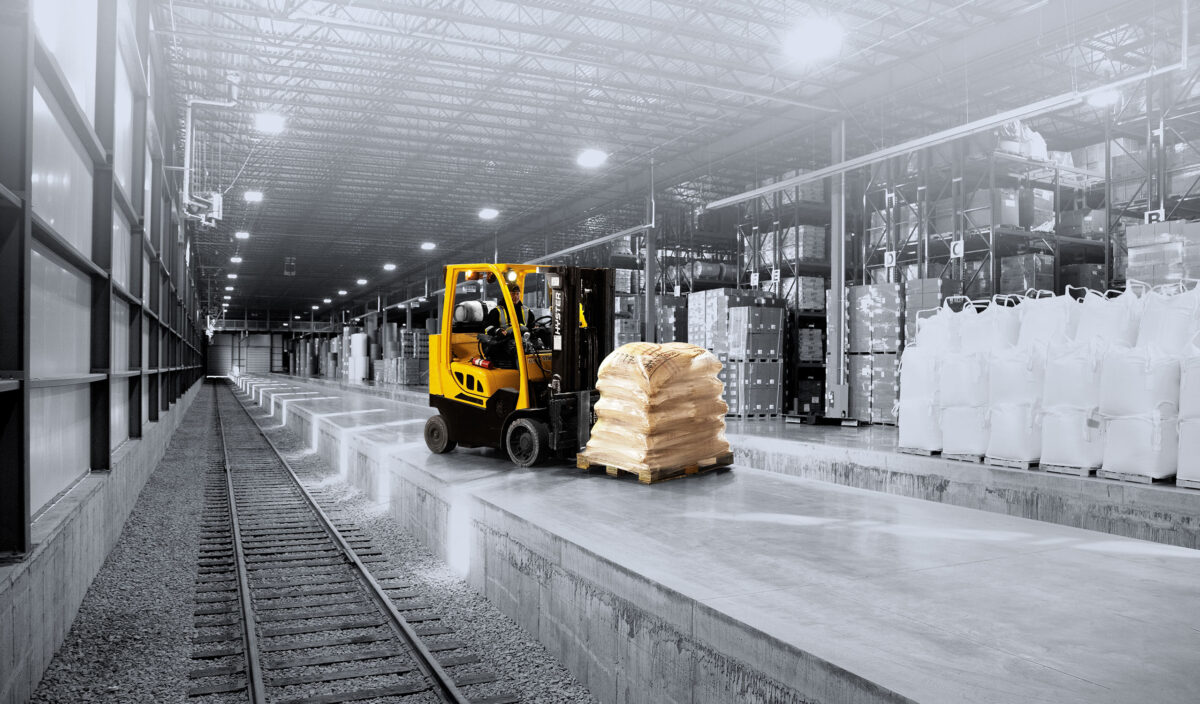
XTL runs new model equipment to reduce downtime and has a comprehensive in-house maintenance program where thorough inspections are conducted during regular maintenance checks. In between regularly scheduled maintenance, daily inspections are conducted by the driver. All inspections check for cleanliness and any damage to linings, door seals, and other components.


8. Use of Technology

Leverage technology to enhance food safety during transportation. This includes using sensors for real-time monitoring, GPS for tracking, and automated systems for reporting any issues promptly.

XTL’s tractors and trailers are equipped with the latest technologies to reduce downtime, improve safety, increase fuel efficiency and ensure the product arrives on time and in full.

9. Documentation and Record-Keeping

Maintain thorough documentation of all processes and procedures related to food transportation.

XTL Transport keeps detailed records of cleaning schedules, temperature logs, and any incidents that occur during transit.

10. Communication

Maintain open communication with all parties involved in the transportation process. This includes shippers, drivers, and logistics teams to ensure that everyone is aware of their responsibilities and any potential issues can be addressed promptly.

XTL has dedicated logistics teams with specialized roles that are assigned based on advanced operational knowledge of specific industries or regional expertise. Teams work closely across all divisions and operational segments. Operating as a single point of contact ensures transparent communication flows quickly, and issues are circumvented or resolved timely.

By following these best practices, companies can ensure that food products are transported safely and arrive at their destination in optimal condition. Prioritizing food safety in transportation not only protects public health but also builds trust with consumers and business partners.

For more insights on food transportation safety, visit XTL Transport.

The Importance of AIB Accreditation for Food Safety and GMP in Logistics: Spotlight on XTL Distribution Inc.

In the world of logistics and food safety, achieving American Institute of Baking (AIB) accreditation is a mark of excellence. XTL Distribution Inc, a leading provider in warehousing, distribution and transportation solutions, has recently been awarded this prestigious accreditation, signifying their commitment to maintaining the highest standards of food safety and good manufacturing practices (GMP). This article explores what AIB accreditation entails, why it’s critical for food logistics, and how choosing an AIB-accredited partner like XTL can benefit your business.

What is AIB Accreditation?

The American Institute of Baking International is a respected organization known for its rigorous standards in food safety, hygiene, and operational excellence. AIB accreditation is awarded to food storage and distribution facilities that meet or exceed these stringent standards, focusing on critical areas such as operational methods, personnel practices, maintenance, cleaning practices, and integrated pest management.

This accreditation is not easily achieved; it requires a comprehensive audit and ongoing compliance with AIB’s exacting standards. Facilities that earn this accreditation are recognized as leaders in food safety, capable of minimizing risks related to contamination, product recalls, and other critical issues that can impact consumer health and safety.

Why Choose an AIB-Accredited Logistics Provider?

Selecting an AIB-accredited logistics provider is crucial for businesses that prioritize the integrity and safety of their food products. Here are several benefits:

  1. Enhanced Food Safety Measures: AIB-accredited warehouses uphold superior standards of cleanliness and pest control, crucial in preventing contamination.
  2. Compliance and Risk Reduction: The accreditation ensures that the facility complies with the latest food safety regulations, helping businesses avoid costly recalls and legal issues.
  3. Customer Trust and Brand Integrity: Partnering with an AIB-accredited provider demonstrates a commitment to quality and safety, enhancing brand reputation and consumer trust.


XTL Distribution Inc: A Case Study in Warehousing Excellence

XTL Distribution Inc has set a benchmark in the warehousing and logistics industry by obtaining AIB accreditation. Their state-of-the-art facilities and dedication to best practices in food safety make them a premier choice for businesses needing reliable food storage solutions.


Key Features of XTL’s AIB-Accredited Services:

  • Modern Facilities: Utilizing advanced storage and handling procedures, facility security systems & technologies to ensure optimal food safety.
  • Trained Staff: All personnel are trained in the best practices and GMP measures for food handling and safety.
  • Comprehensive Pest Management: Integrated strategies ensure a pest-free environment, crucial for maintaining product integrity.

Choosing an AIB-accredited & GMP warehousing & logistics provider like XTL Distribution Inc is an essential step for any business that values food safety, quality and security. XTL’s commitment to maintaining the highest standards as evidenced by their AIB accreditation provides their partners with assurance that their products are handled with utmost care. This not only helps in safeguarding the health of the end consumers but also enhances the reputation of the businesses they partner with. XTL’s AIB accreditation for food safety and GMP also benefits non-food related partners in other industries as the same GMP procedures and controls are used across all XTL facilities, which brings additional value to their supply chains.

XTL has a network of warehousing & distribution facilities across Canada and a transportation network that covers all of North America, including a fleet of over 400 power units and 1200 dry, heated and refrigerated state-of-the-art food grade trailers. If you’re in the food business and looking for a trusted logistics partner, contact XTL today to speak with one of our logistics experts.

Navigating Transborder Trucking: Your Guide to Shipping Between Canada and the US

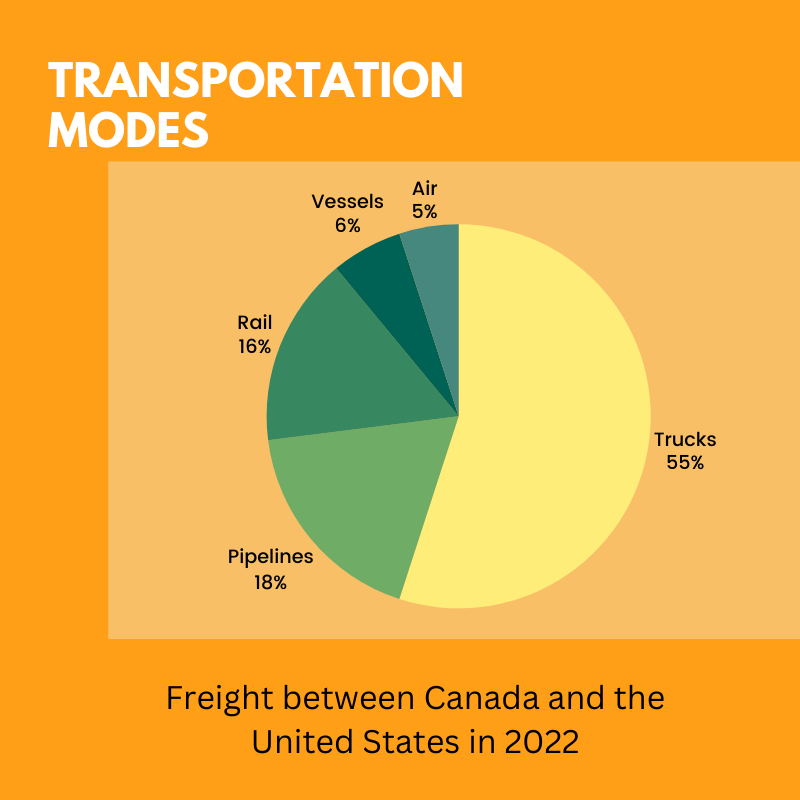
When it comes to moving goods between Canada and the US, transborder trucking is the primary method for getting things done. It’s the backbone of our economic relationship, responsible for hauling over 55% of all cross-border trade. And with billions of dollars’ worth of stuff moving back and forth every year, it’s a big deal for businesses on both sides of the border.

The Significance of Transborder Trucking

Transborder trucking is a cornerstone of the economic relationship between Canada and the US. According to recent statistics, trucking accounts for over 55% of cross-border trade between the two countries, making it the primary mode of transportation for goods. With billions of dollars’ worth of merchandise moving between Canada and the US each year, efficient and reliable trucking services are essential to sustaining the flow of trade.

transborder trucking companiesTransportation Modes:

  • Trucks: Carried 55% of freight between Canada and the United States in 2022.
  • Pipelines: Accounted for 18% of freight.
  • Rail: Contributed 16%.
  • Vessels: Handled 6%.
  • Air: Managed 5%.

Value of Trade:

Growth Trends:

Mode-Specific Insights:

Truck Freight Trends:

Regulations and Compliance: Navigating the Border

When it comes to transborder trucking, compliance with regulations is paramount. Partnering with a reputable transborder trucking company ensures that your shipments meet all necessary requirements for smooth border crossings. But what exactly should you look for in a great transborder trucking company?

First and foremost, reliability is key. A top-notch transborder trucking company should have a proven track record of delivering shipments on time and without incident. Look for companies with extensive experience in cross-border logistics and a thorough understanding of the regulatory landscape.

Additionally, transparency and communication are essential. Your trucking company should keep you informed every step of the way, providing updates on the status of your shipments and any potential delays or issues that may arise.

There are specific requirements for transborder shipments to cross the border. When shipping goods between Canada and the US, there are several documents you’ll need to have in order:

  1. Bill of Lading (BOL): This document serves as a receipt for the goods being transported and contains important information such as the shipper, consignee, and description of the goods.
  2. NAFTA Certificate of Origin: For shipments qualifying under the North American Free Trade Agreement (NAFTA), a certificate of origin is required to claim preferential tariff treatment.
  3. Commercial Invoice: This document provides details about the transaction, including the value of the goods, the terms of sale, and the parties involved.

In addition to these documents, the role of the customs broker is crucial in pre-clearing shipments before they reach the border. Through the Pre-Arrival Review System (PARS), customs brokers submit required documentation to Customs and Border Protection (CBP) or the Canada Border Services Agency (CBSA) for review prior to the arrival of the goods at the border. This helps expedite the clearance process and minimize delays.

Security is another critical aspect of transborder trucking. With the ever-present threat of terrorism and smuggling, both the US and Canada have implemented security programs aimed at safeguarding the supply chain. Programs such as Partners in Protection (PIP) in Canada and the Customs-Trade Partnership Against Terrorism (C-TPAT) in the US provide benefits to trusted traders who meet certain security criteria. By participating in these programs, companies demonstrate their commitment to maintaining the integrity and security of the supply chain.

Navigating the regulatory landscape of transborder trucking can be complex, but with the right partner and a thorough understanding of the requirements, businesses can ensure efficient and compliant cross-border shipments. Choose a transborder trucking company that prioritizes compliance, communication, and security, and you’ll be well on your way to successful cross-border trade between Canada and the US.

The Role of Transborder Trucking Companies

Transborder trucking companies serve as the backbone of cross-border logistics, providing efficient and reliable transportation services to meet the diverse needs of shippers. With specialized expertise in navigating customs procedures, border crossings, and regulatory requirements, these companies play a crucial role in facilitating trade between Canada and the US. From full truckload (FTL) shipments to temperature-controlled freight and intermodal transportation solutions, transborder trucking companies offer a range of services tailored to the unique requirements of cross-border trade.

XTL Transport: A Trusted Transborder Partner

For over three decades, XTL Transport has been a trusted provider of transborder transportation solutions, connecting businesses across Canada and the US. Since 1985, XTL has leveraged its expertise in truckload, warehousing, logistics, intermodal, and temperature-controlled transport to serve as a strategic distribution partner for clients. With a commitment to excellence and customer satisfaction, XTL delivers customized solutions that optimize supply chain efficiency and drive business success.

So if you’re looking to expand your reach and explore new markets, transborder trucking is the way to go. And with XTL Transport by your side, you can ship with confidence, knowing that your goods are in good hands every step of the way.

Mastering Temperature Controlled Transport: Best Practices from XTL Transport

As winter sets in, the challenges of transporting temperature-sensitive goods come to the forefront. For industries dealing with liquids prone to freezing, like the chemicals industry and the food services industries, procuring the safe and reliable movement of these products becomes a high priority. XTL Transport, a leading trucking company specializing in temperature controlled transport, is here to share some best practices that are essential for shippers during the heat season.

“Hot Tips” For Temperature Controlled Transport this Winter

booking heated freightBook Early for Temperature Controlled Transport:

One of the cardinal rules for successfully managing temperature controlled transport during the winter season is to book early. Demand for heated transport and temperature-controlled transport soars when the mercury drops; making advance booking crucial to secure the services you need and avoid last-minute hiccups.

Accurate Communication of Temperature Requirements:

heated freight temperature requirementsPrecise communication is the cornerstone of successful temperature controlled transport. Ensure that you relay your cargo’s specific temperature requirements accurately to your transportation company. Any discrepancies or misunderstandings regarding temperature can lead to compromised goods. XTL Transport’s specialized temperature-controlled trailers are equipped with refrigeration units that can maintain your cargo at the precise temperature needed throughout the journey.  Make sure the exact temperature requirements are clear when you call in your order or send us your dispatch form.

Understanding the Difference between “Protect from Freeze” and “Temperature Controlled”

It’s essential to understand the distinction between “protect from freeze” service and “temperature-controlled transport.” “Protect from freeze” service may not necessarily include heated transport; instead, it relies on factors such as transit time, insulation, or the use of diesel-fired heaters to prevent freezing. While suitable for certain situations, XTL Transport offers genuine temperature-controlled transport, ensuring your cargo consistently and precisely adheres to the specified temperature throughout the entire journey.

 Secure Packaging:

Pack your goods robustly to withstand the rigors of winter transport. Utilize insulation, thermal blankets, or pallet covers to provide an additional layer of protection against extreme cold.

temperature controlled transport winterWeather Monitoring:

Stay informed about weather conditions along your shipment route. Staying vigilant about potential temperature drops or inclement weather allows you to make informed decisions and plan for contingencies.

 Allow for Delays:

Winter weather can result in unexpected transportation delays. Incorporate extra time into your shipment schedule to account for potential hold-ups due to adverse weather conditions. Harsh winter storms can close transportation routes, border crossings or just in general delay your pickup or delivery, make sure you have planned for these eventualities.

 Choose the Right Carrier for Temperature Controlled Transport:

Selecting a reputable carrier with a proven track record in temperature-controlled transport is paramount. XTL Transport’s expertise in temperature-controlled logistics makes them the ideal choice for shippers looking to safeguard their goods during the winter season.

Choose XTL for Peace of Mind this Winter:

When it comes to mastering temperature controlled transport during the winter season, meticulous planning and precise communication are your allies. By following these best practices, including early booking, accurate communication of temperature needs, and understanding the difference between services, shippers can rely on XTL Transport to deliver their goods without compromise, even in the harshest winter conditions. Don’t leave your temperature controlled transport to chance—choose XTL Transport for peace of mind and precision this winter.

How to Choose a Great Transport Company: Tips from XTL Transport

Choosing the right transport company is crucial for businesses that rely on freight transportation.  Selecting the right carrier from the many North American transport companies in the marketplace can be a real challenge.  At XTL Transport, we have over 30 years of experience in the transportation industry and understand the importance of finding a reliable and sustainable transport partner. Here’s why experience, range of services, safety record, technology, customer service, diversity, environmental responsibility, specialized equipment, and reliability are important when selecting a transport company and how XTL Transport meets these requirements.

Top 10 Things to Look for in the Best Transport Companies:

Experience:

Experience is important in the transportation industry as it ensures that the company has the expertise to handle a diverse range of transportation needs. At XTL Transport, our decades of experience allow us to develop deep industry knowledge and provide our clients with efficient and reliable transportation solutions.

Range of Services:

A wide range of services is important as it allows clients to have all their transportation needs taken care of by one company, saving them time and money, as well as, strengthening a partnership with a leader in the transportation industry.   AT XTL Transport we offer comprehensive transportation, warehousing, and logistics services that can be tailored to fit our clients’ specific needs.  Clients leverage all services for an efficient logistics strategy executed and coordinated by a single provider.

Safety and Security Record:

transport companies inspection

When it comes to shipping goods, safety and security are paramount concerns. That’s why it’s important to choose a transportation service provider that prioritizes safety and has a proven track record of keeping their customers’ goods secure.

One way to ensure that a company takes safety and security seriously is by checking if they have any relevant certifications. For example, XTL Transport has numerous certifications, including FAST (Free and Secure Trade), C-TPAT (Customs Trade Partnership Against Terrorism), PIP (Partners In Protection), CSA (Canadian Self-Assessment), PARS (Preapproved Review System) (Canada), PAPS (Preapproved PARS System) (USA), and SmartWay Certified. These certifications demonstrate XTL’s commitment to ensuring the safety and security of our customers’ goods.

In addition to these certifications,  at XTL we also have a robust safety program in place, which includes regular safety training for our drivers, the use of the latest safety technologies, and ongoing safety evaluations.

Technology:

transportation company technology

Technology plays an increasingly vital role in the transportation industry, and businesses looking for a transportation service provider should consider a company that leverages technology to improve their services.

Here are some key technology factors to consider when selecting a transportation service provider:

  1. New-model equipment policy – Look for a company that has a policy to keep their fleet up-to-date with the latest driver-assist and fuel-saving technologies. This can not only reduce their carbon footprint but also improve the safety and performance of their fleet.
  2. GPS tracking – Ensure the transportation service provider you choose has live GPS tracking on all their tractors and trailers. This feature allows you to monitor the location of your shipment in real-time, enabling you to respond quickly to any issues or delays.
  3. Electronic logging devices (ELDs) – Select a company that uses ELDs to track driver hours and ensure compliance with regulations in both the US and Canada.
  4. EDI capabilities – Find a transportation service provider that is fully EDI capable, which will streamline your supply chain systems, and ensure efficient and accurate inventory management.
  5. State-of-the-art reefer units – If you need temperature-controlled transportation, ensure the company you select has state-of-the-art reefer units that have live diagnostics and two-way communication.
  6. Route optimization and dashcam reporting – Select a company that utilizes AI-enhanced route optimization and dashcam reporting to ensure the most efficient and safe routes are taken.
  7. Robotic process automation – Consider a company that uses back-end robotic process automation to streamline operations and reduce manual errors.
  8. Digital notifications, reporting, invoicing, and payments – Look for a transportation service provider that provides digital notifications, reporting, invoicing, and payments. This feature will help you easily manage your accounts with them and have access to all the necessary information.

At XTL Transport we utilize technology to provide seamless and efficient transportation services to our clients. XTL has a new-model equipment policy, live GPS tracking, ELDs, are fully EDI capable, and use state-of-the-art reefer units. As well, XTL utilizes AI-enhanced route optimization and dash cam reporting and back-end robotic process automation to streamline operations. XTL also offers digital notifications, reporting, invoicing, and payments, which make managing accounts with them straightforward and convenient.

XTL’s focus on technology not only improves our services but also reflects our commitment to sustainability and reducing our carbon footprint. State-of-the-art reefer units we utilize are not only cutting edge in design but also provide efficient and environmentally friendly transportation of temperature-sensitive goods. Additionally, AI-enhanced route optimization reduces the number of miles traveled, reducing fuel consumption and emissions.

By leveraging technology in our operations, XTL Transport ensures that clients receive top-notch transportation services. However, it’s important to note that technology should not be the only factor to consider when selecting a transportation service provider. Other critical factors, such as experience, safety record, reliability, and customer service, must also be considered to ensure that you choose the best transportation service provider for your needs.

Customer Service:

When selecting a transportation service provider, excellent customer service is a critical factor to consider. Here are some key factors to consider when assessing a transportation service provider’s customer service:

  1. Responsiveness: A good transportation service provider should be easy to reach and responsive to inquiries or concerns. They should have a customer service team that is available to assist customers promptly.
  2. Reliability: Reliability is critical in the transportation industry. A good provider should have a reputation for delivering shipments on time and without incident. They should also have contingency plans in place in case of unexpected issues or delays.
  3. Communication: Good communication is essential in the transportation industry. The provider should be able to provide regular updates on the status of shipments and any issues that arise.
  4. Flexibility: A good provider should be flexible and able to adapt to changing needs or circumstances. They should be able to offer customized solutions to meet specific requirements.

XTL Transport meets all of these criteria and has won numerous awards for our commitment to customer service. XTL has been recognized as The Shipper’s Choice, a Carrier of Choice, and named as a Top Fleet Employer of Distinction by Trucking HR Canada. These awards are a testament to XTL’s dedication to providing exceptional customer service. Our team has a reputation for being responsive, reliable, and flexible, with a commitment to open and honest communication.

Diversity:

Diversity in the transportation industry is important as it allows companies to understand and meet the unique needs of a diverse client base. XTL Transport values diversity and is committed to providing a work environment that is inclusive and free from discrimination. We believe that our diverse team of professionals allows us to better understand and serve the needs of our clients.

Environmental Responsibility:

smartway transport companyEnvironmental responsibility is important in the transportation industry as it helps to reduce the industry’s carbon footprint and mitigate the effects of climate change. XTL Transport is committed to reducing our environmental impact through the use of fuel-efficient vehicles, alternative fuels, and sustainable practices. We have implemented a number of initiatives to reduce our carbon emissions and improve our environmental performance.


Specialized Equipment:

refrigeration unit temperature controlled transport companySpecialized equipment is important for companies that need to transport goods that require special handling or temperature control. XTL Transport offers cutting-edge temperature-controlled equipment that is both sustainable and designed for maximum efficiency, ensuring that our clients’ products arrive at their destination in the same condition they left.

Reliability:

Reliability is a key factor in the transportation industry, and XTL Transport is committed to providing our clients with on-time delivery and reliable transportation services. Our experienced team of professionals works tirelessly to ensure that our clients’ shipments are delivered safely and on time, every time.

Competitive Pricing:

Competitive pricing is important in the transportation industry as it helps clients to optimize their supply chain and reduce transportation costs. XTL Transport understands the importance of competitive pricing and works closely with our clients to provide cost-effective transportation solutions without compromising on quality or safety.

In conclusion, selecting the right transport company is crucial for businesses that rely on freight transportation. At XTL Transport, we have the experience, expertise, and commitment to provide our clients with reliable and sustainable transportation solutions that meet their unique needs. From our comprehensive range of services to our cutting-edge technology, exceptional customer service, diversity and environmental responsibility, specialized equipment, reliability, and competitive pricing, XTL Transport is the ideal choice for companies looking for a trusted and dependable transport partner.

XTL Just Received HACCP Certification, Why It’s Important to Your Business?

What is a HACCP Certification and Why is it Important for Your Business?

HACCP is a food safety management system that was created to ensure the safety of food. It was developed by NASA and the US Department of Agriculture. It combines “Hazard Analysis and Critical Control Points” with “Good Manufacturing Practices” to work towards preventing any food borne illnesses or diseases.

The HACCP certification is a necessity in the world of food and beverage industries, as it ensures that your business meets all requirements needed for safe production, handling, transport, storage and distribution of foods.

What Do the Regulations Involve in a HACCP Certification Program?

The HACCP plan is not a one-size-fits-all solution to a food producer’s safety and quality needs. Therefore, the HACCP plan must be tailored to the specific operation, with management’s commitment to continuous improvement and zero tolerance of risks.

How do You Become Certified under the HACCP System?

The HACCP certification process is a rigorous and demanding process that features multiple levels of approval, such as validation and verification.

For XTL, the first step is the validation phase which consists of setting up the processes on physical readiness and risk evaluation to make sure that products stored are safe for consumption. The next step is the verification phase which consists of analyzing records and documents to make sure that business processes are following HACCP guidelines accurately.

XTL Distribution is Now HACCP Certified

XTL Distribution has recently achieved HACCP certification and now stores and distributes foodstuffs that are required to be handled by a HACCP certified warehouse facility.

Resources and Further Reading on the Topic of HACCP Certification

– Wikipedia article on HACCP

– Food Safety and Inspection Service, U.S. Department of Agriculture – Hazard Analysis Control Points Program https://www.fsis.usda.gov/wps/portal/fsis/topics/food-safety-education/get-answers/?q=haccp

– Hazard Analysis Control Points (HACCP) – CODEX Alimentarius Commission

Citations:

United States Department of Agriculture. “Hazard Analysis Control Points.” Food Safety and Inspection Service, U.S. Department of Agriculture – Hazard Analysis Control Points Program https://www.fsis.usda.gov/wps/portal/fsis?q=haccp&s=