Carrier compliance has always mattered in transportation. For shippers, the concern was never simply whether a truck showed up at the dock. The bigger question was whether the company moving the freight was properly authorized, insured, trained, monitored, and operating safely.
In 2026, that question matters more than ever.
The transportation industry is facing a more complex risk environment than it did even a few years ago. Safety expectations are higher. Customers expect greater visibility. Insurance and claims scrutiny continue to increase. Freight fraud and identity-related risks have become more sophisticated. And supply chains have less tolerance for avoidable disruption.
For shippers, carrier compliance is not just paperwork. It is part of protecting their freight, their customers, their brand reputation, and their supply chain continuity.
For XTL, compliance is also part of how we operate as a carrier. It is reflected in our commitment to safety, driver training, equipment standards, information systems, and the daily monitoring required to move freight responsibly and reliably.
Carrier Compliance Is More Than a Checkbox
When many people hear the word “compliance,” they think of documents: operating authority, insurance certificates, safety records, driver files, inspection history, permits, and required regulatory information.
Those documents matter. They help confirm that a carrier is qualified to operate and that the proper controls are in place.
But true carrier compliance goes further than collecting paperwork.
It includes how a carrier manages safety, trains drivers, monitors performance, maintains equipment, responds to exceptions, and uses information systems to keep freight moving securely and on time.
A compliant carrier is not just one that has the right documents on file. A compliant carrier is one that treats safety and accountability as part of the operating culture.
That distinction matters.
A shipper may only see the truck arrive at the dock. But behind that pickup is a chain of decisions: who is assigned to the load, whether the driver is qualified, whether the equipment is roadworthy, whether hours-of-service requirements are being managed, whether the route is appropriate, whether delivery expectations are realistic, and whether the carrier has the systems in place to identify and respond to problems before they become bigger issues.
Why Shippers Still Care About Carrier Selection
For years, shippers and logistics providers have been aware of the risk associated with poor carrier selection. If a carrier has a serious safety problem and an accident occurs, questions may be asked about whether the carrier should have been selected in the first place.
That concern has not disappeared.
The legal landscape continues to evolve, especially in the United States, where courts continue to examine the extent to which shippers, brokers, and logistics providers may face exposure for negligent carrier selection. This article is not legal advice, and each situation depends on the facts. But from a business-risk perspective, the practical lesson is straightforward: carrier selection should not be casual, undocumented, or based only on price.
Safety information, authority status, and insurance information are easier to access than they were decades ago. That creates an expectation that transportation decisions should be made with reasonable care.
For shippers, the best protection is not simply choosing the lowest-cost option. It is working with transportation partners that can demonstrate a disciplined approach to safety, compliance, documentation, and operational control.
The 2026 Compliance Conversation Includes Fraud and Identity Risk
Carrier compliance used to be discussed mainly in terms of safety and operating authority. Those issues remain important, but the risk landscape has expanded.
In today’s freight market, shippers also need to think about who is actually picking up their freight.
Freight fraud, double brokering, identity theft, and misuse of carrier credentials have become serious concerns across the industry. A carrier may appear legitimate on paper, but that does not automatically mean the person communicating about a load is authorized to represent that carrier. Dormant authorities, recently changed contact information, suspicious pickup instructions, and inconsistent documentation can all create risk.
This is especially important when freight is moved through multiple parties or when capacity is sourced quickly under pressure.
The issue is no longer just whether a carrier has authority. The issue is whether the carrier, driver, truck, insurance, pickup details, and communication trail all align.
That is why compliance needs to be treated as an active process, not a one-time file check.
Safety Starts Before the Load Moves
At XTL, safety begins before a shipment is assigned.
A strong safety culture depends on clear processes, trained people, proper equipment, and systems that help monitor activity across the transportation cycle. Driver training, safety procedures, fleet maintenance, dispatch discipline, and performance tracking all play a role in reducing risk.
For a shipper, this matters because service quality is not separate from safety. The same operational discipline that helps prevent incidents also helps improve reliability.
A carrier that monitors safety and compliance closely is also better positioned to manage on-time performance, delivery exceptions, equipment availability, communication, and customer expectations.
That is why carrier compliance should not be viewed as something separate from service. It is part of service.
Information Systems Are Now Part of Compliance

In 2026, transportation compliance is also a data and visibility issue.
Modern carriers rely on information systems to monitor safety requirements, driver activity, equipment status, shipment milestones, delivery performance, documentation, and customer communication.
These systems help reduce the risk of missed details. They also help carriers identify trends, manage exceptions, and provide customers with better visibility into what is happening with their freight.
For shippers, this matters because transportation problems often become more expensive when they are discovered too late.
A missed pickup, late delivery, compliance issue, damaged load, or documentation problem can quickly affect customer relationships. Strong systems help create earlier warnings, better communication, and more accountable execution.
Technology does not replace professional judgment. But it does give transportation teams better tools to manage compliance and service together.
Compliance Protects Brand Reputation
When freight is late, damaged, stolen, or mishandled, the customer rarely separates the carrier from the shipper’s brand.
The shipment may be physically handled by a carrier, but the customer experience reflects on the company that sold the product.
That is why carrier compliance has a direct connection to brand reputation. Choosing a transportation partner is not only a cost decision. It is a customer-experience decision.
A shipper may save money on a load by choosing the cheapest available option, but that saving can disappear quickly if the result is a missed delivery appointment, a damaged customer relationship, a claim, or a serious safety incident.
Reliable freight movement depends on more than capacity. It depends on trust.
What Shippers Should Look for in a Transportation Partner
Carrier compliance does not mean shippers need to become transportation auditors. But they should ask practical questions about how their freight is being managed.
For example:
- Does the carrier have a documented safety program?
- How are drivers trained and monitored?
- How is equipment maintained?
- What systems are used to track shipments, delivery performance, and exceptions?
- How are compliance requirements reviewed and documented?
- If partner carriers are used, how are they vetted and monitored?
- How does the transportation provider reduce exposure to fraud, identity issues, and unauthorized carrier activity?
- How are customers informed when something changes?
These questions are not about creating bureaucracy. They are about understanding whether a transportation provider has the people, processes, and systems required to move freight responsibly.
The Role of an Asset-Based Carrier
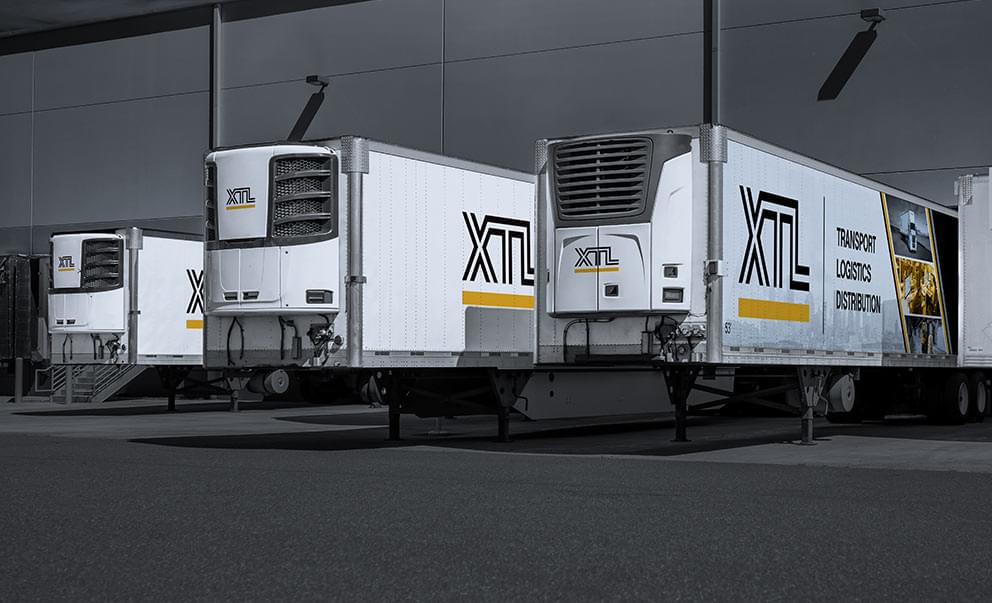 One of the advantages of working with an asset-based carrier is operational control.
When a carrier operates its own fleet, trains its own drivers, maintains its own equipment standards, and manages performance through internal systems, there is a greater ability to align safety, compliance, and service expectations.
That does not mean logistics partnerships are unimportant. In many supply chains, there will always be situations where additional capacity or specialized coverage is required. But even then, compliance matters. The process used to select, verify, and monitor partner carriers becomes part of the customer’s risk-management picture.
For XTL, the commitment is to move freight with discipline, visibility, and accountability — whether through our own fleet operations or through carefully managed transportation solutions.
Carrier Compliance Is a Business Advantage
The best carriers do not treat compliance as a burden. They treat it as part of their value proposition.
In a market where freight fraud is more sophisticated, delivery expectations are higher, and safety scrutiny remains significant, compliance is not simply about satisfying regulators. It is about giving customers confidence.
- Confidence that their freight is being moved by qualified professionals.
- Confidence that drivers are trained and supported.
- Confidence that equipment is maintained.
- Confidence that shipment performance is monitored.
- Confidence that risks are being managed before they become problems.
That confidence is especially important in cross-border and time-sensitive transportation, where a small issue can quickly create a larger disruption.
Moving Freight With Confidence
Carrier compliance in 2026 is not about slowing freight down. It is about moving freight the right way.
For shippers, it helps reduce legal, financial, operational, and reputational risk.
For customers, it supports more reliable pickup, transit, and delivery performance.
For carriers, it reflects the professionalism required to operate safely in a complex freight environment.
At XTL, compliance is part of our commitment to safety, service, and accountability. It is built into how we train, monitor, manage, and deliver.
Because in today’s transportation environment, the goal is not simply to find a truck.
The goal is to know that the right people, equipment, systems, and safeguards are in place before the load ever leaves the dock.